Grand Conventions and the Everyday Lives of Ordinary People
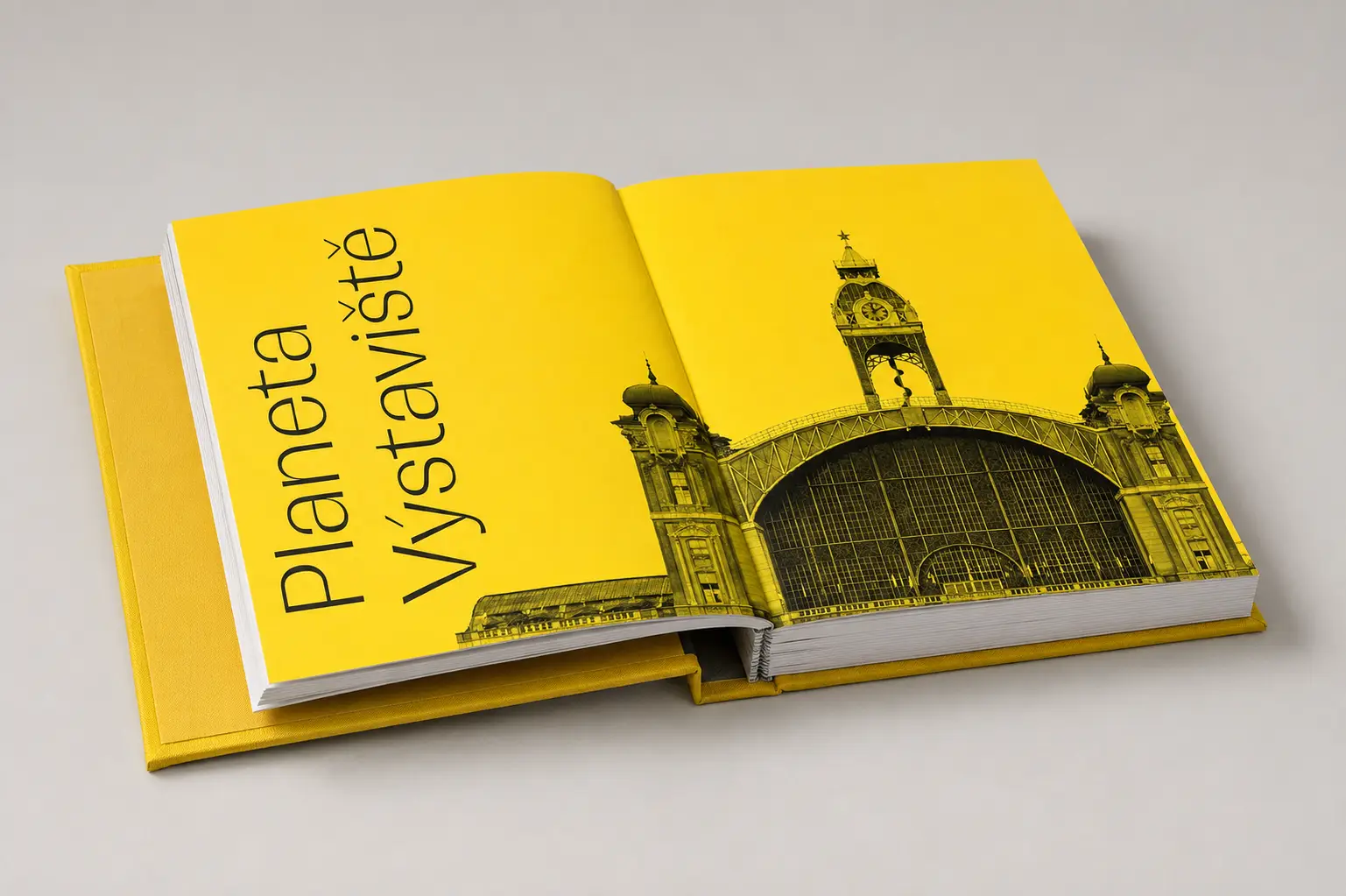
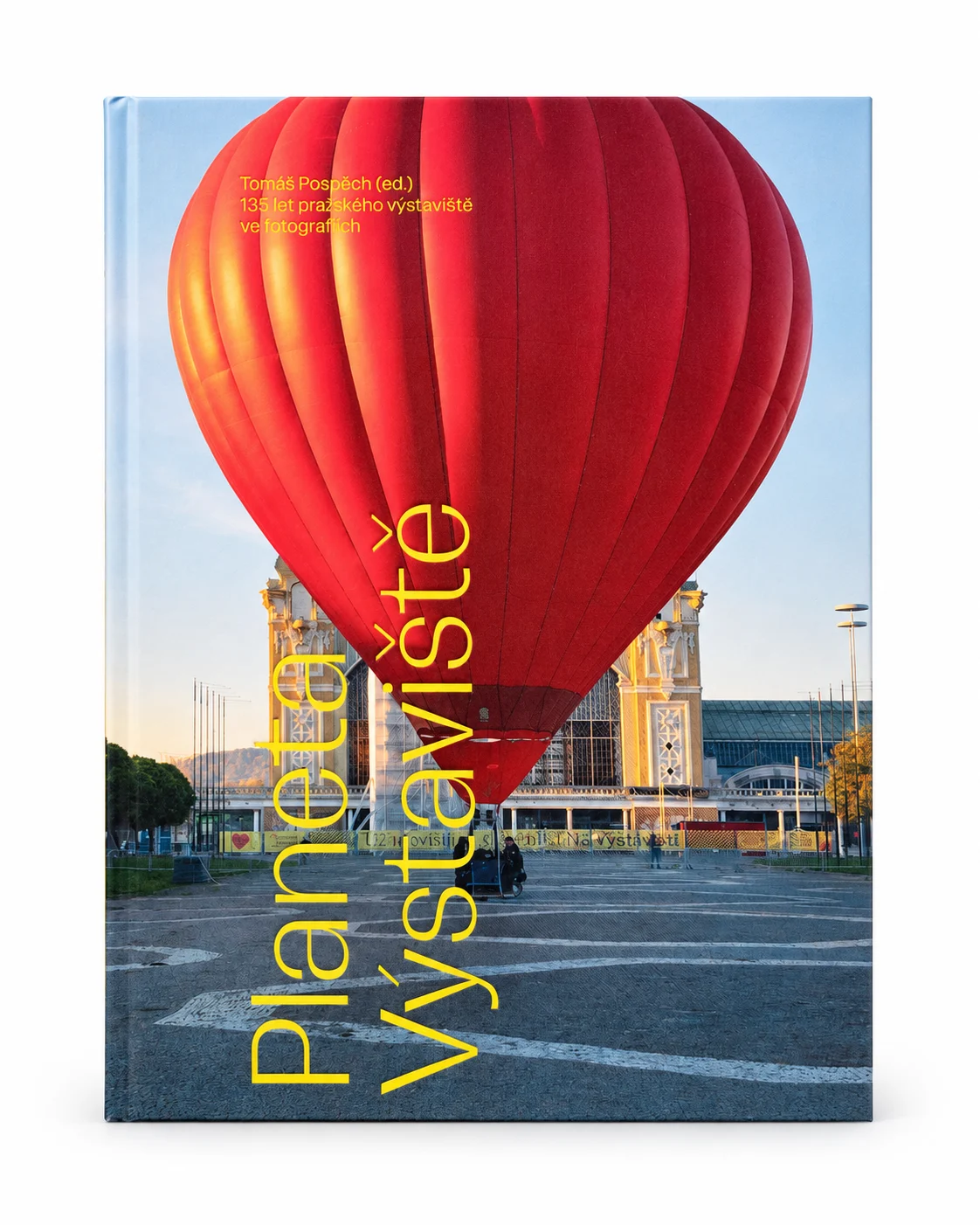
Photographer, art historian, independent curator, and educator Tomáš Pospěch has compiled a unique photographic collection that tells the story of the Výstaviště Praha (Prague Exhibition Grounds) as shaped by history.
It is a visual narrative showing how both times of war and peace, as well as totalitarian and democratic regimes, left their imprint here. It captures Communist Party congresses, grand international exhibitions, and legendary rock concerts alike. Yet, alongside these major historical milestones, the book also captures the quiet, everyday “micro-history” of ordinary people who have walked these grounds over the generations, whether for a leisurely stroll, a romantic date, or a meetup with friends.
(Please note: While this upcoming release is published in Czech, its rich photographic narrative makes it a timeless visual keepsake for any library.)
The grand reopening of the restored Industrial Palace and the celebration of the 135th birthday of Výstaviště present the perfect occasion to release this photograph collection in book form. It promises a touch of nostalgia for your bookshelf. It is sure to delight architecture enthusiasts, native Prague residents, and anyone whose heart beats for Prague 7 and especially for Holešovice.
Stay tuned! Coming soon to our e-shop and bookstore shelves.
Výstaviště Through the Lens of Czech Photographers
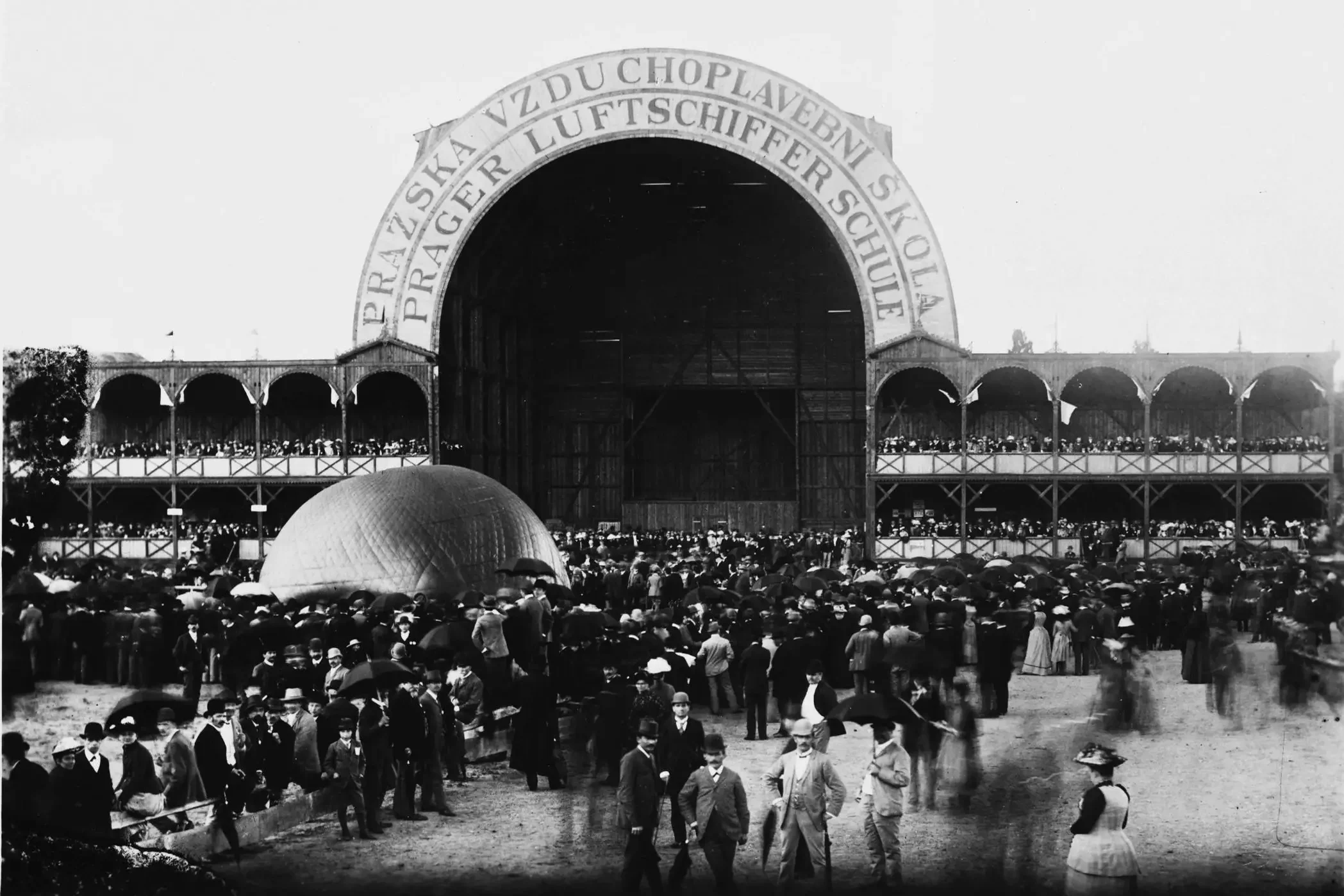
For nearly 150 years, the site of today’s Výstaviště Praha has been among the most photographed locations in the country. Not only for its iconic architecture and trade fairs, but primarily because of the remarkably diverse array of human activities that took place here. It is precisely this concentrated diversity within a relatively compact space that gave rise to thousands of photographs preserved across private and museum archives—forming a compelling memory bank that vividly preserves everyday life across several generations.
As early as the Jubilee Centennial Exhibition in 1891, pioneering photographers such as Karel Maloch, Jindřich Eckert, and Rudolf Bruner-Dvořák were already documenting the site. In 1898, Jan Kříženecký and Josef František Pokorný filmed and screened the very first Czech motion pictures here. Subsequent generations of press reporters captured political gatherings, while commercial and industrial photographers, including Josef Sudek and Vilém Heckel, immortalized the pavilions, exhibitions, displays, and attractions. Fashion photographers like Fred Kramer and the duo Štěpánka Stein and Salim Issa chose Výstaviště’s distinctive backdrop for their fashion shoots. Meanwhile, a stellar lineup of leading Czech documentary photographers came here in their free time to capture candid glimpses of daily life (among them Dagmar Hochová, Emil Fafek, Pavel Dias, Karel Bucháček, Jovan Dezort, Dana Kyndrová, Luboš Kotek, Jan Mihaliček, and Karel Cudlín).
Výstaviště thus became much more than a showcase for Czech industry and a repository of personal memories for locals and international visitors alike: it evolved into a unique stage documenting how leisure time has transformed over the decades. Furthermore, because a vast pantheon of renowned Czech photographers captured this single location over time, the collection offers a fascinating window into the history of Czech photography itself.
Table of Contents
Výstaviště Through the Lens of Czech Photographers
- Obrazová část:
- ZEMSKÁ VÝSTAVA 1891
- ÉRA VELKÝCH PŘEHLÍDEK
- FUČÍKÁRNA
- PESTRÉ DEVADESÁTKY
- VÝSTAVIŠTĚ VZKŘÍŠENÉ A SOUČASNÉ
- Výstaviště v datech
- Obrazová část: